

Alingsås Municipality
Staffan Kaltin
Treatment technology evaluation at Nolhaga.
Read the story“The evaluation with effect-based methods was the most interesting part of the whole project!”
EFFECT-BASED METHODS
Chemical contaminants rarely occur alone. BioCell Analytica uses advanced cell-based methods to reveal their combined biological activity — the cocktail effect — including effects that conventional targeted chemical analysis may miss.
 Chemical analysis: limited number of selected substancesEffect-based methods: combined activity of
Effect-based analysis
Targeted chemical analysis quantifies selected substances. Research has shown that, for many biological endpoints, routinely measured pollutants explain only a small fraction of the biological activity observed in water. Effect-based methods reveal combined mixture activity, including known and unknown substances, across relevant toxicological endpoints.
Together, these complementary approaches provide a broader understanding of chemical water quality.
Explore our analytical methodsApplications
From water quality monitoring to treatment evaluation, BioCell Analytica provides biological effect measurements that support better-informed decisions.
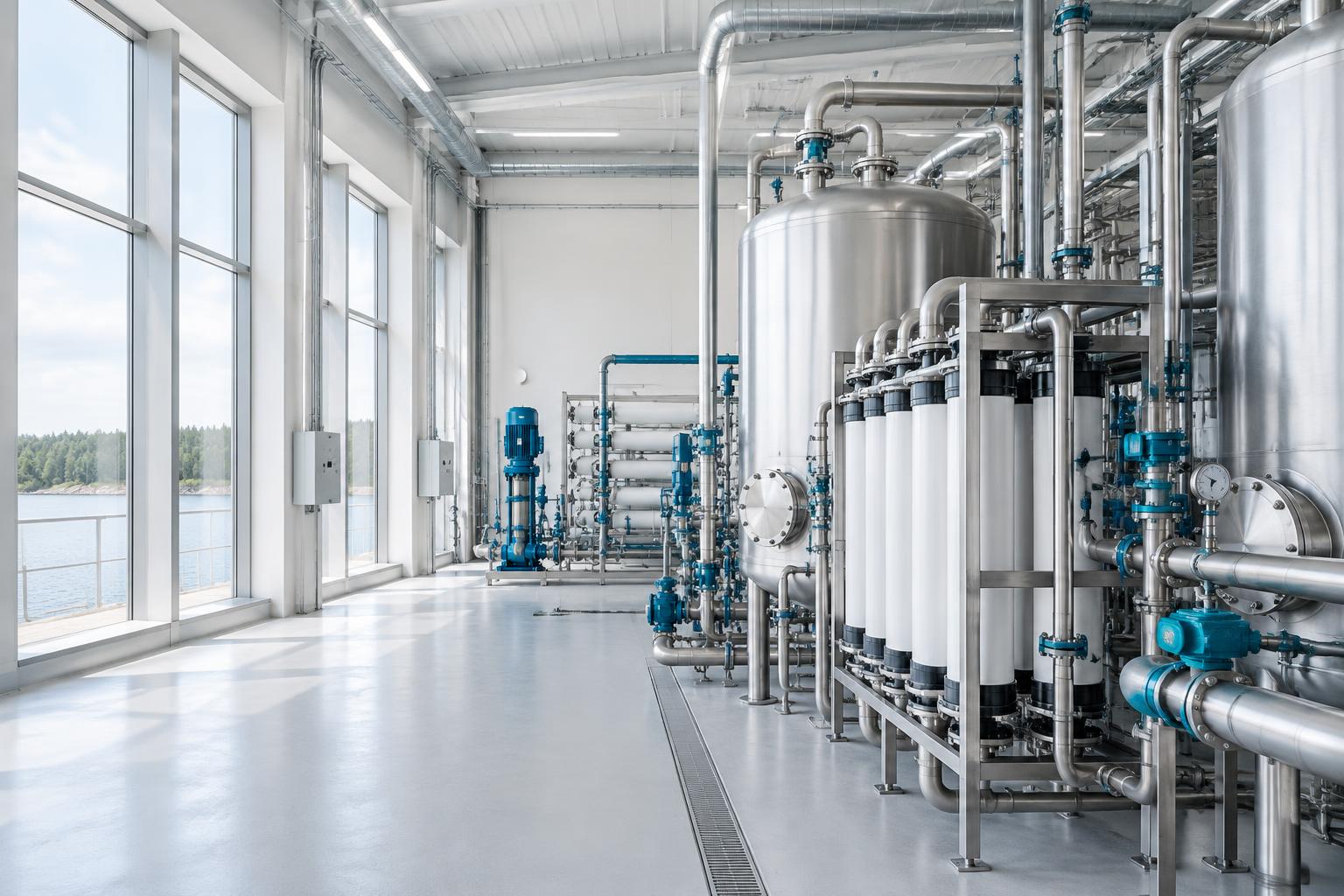
Drinking Water
Gain a broader understanding of drinking water quality, from source water to finished drinking water.
Explore application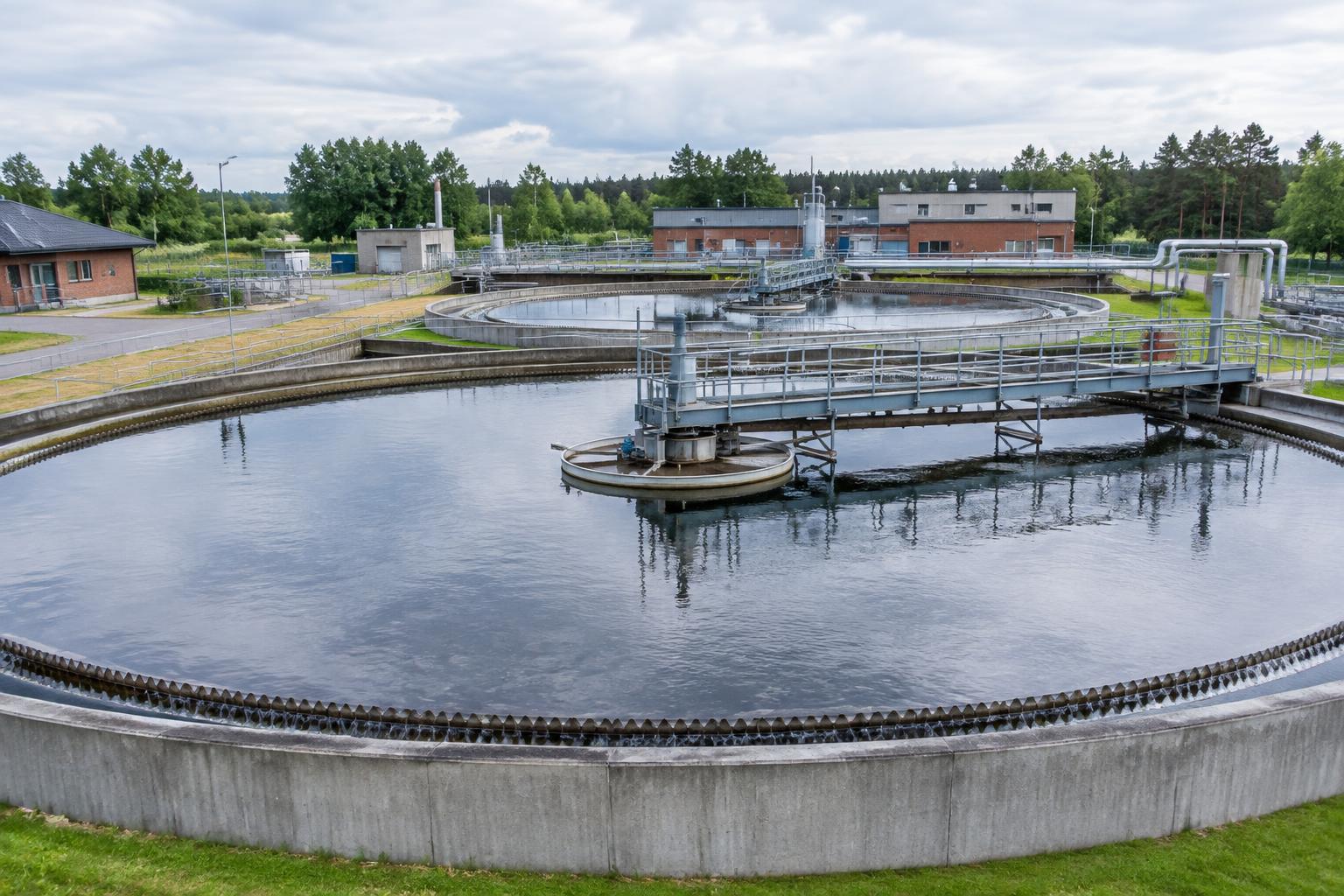
Wastewater Treatment
Measure reductions in biological activity, investigate residual effects and monitor treatment performance.
Explore application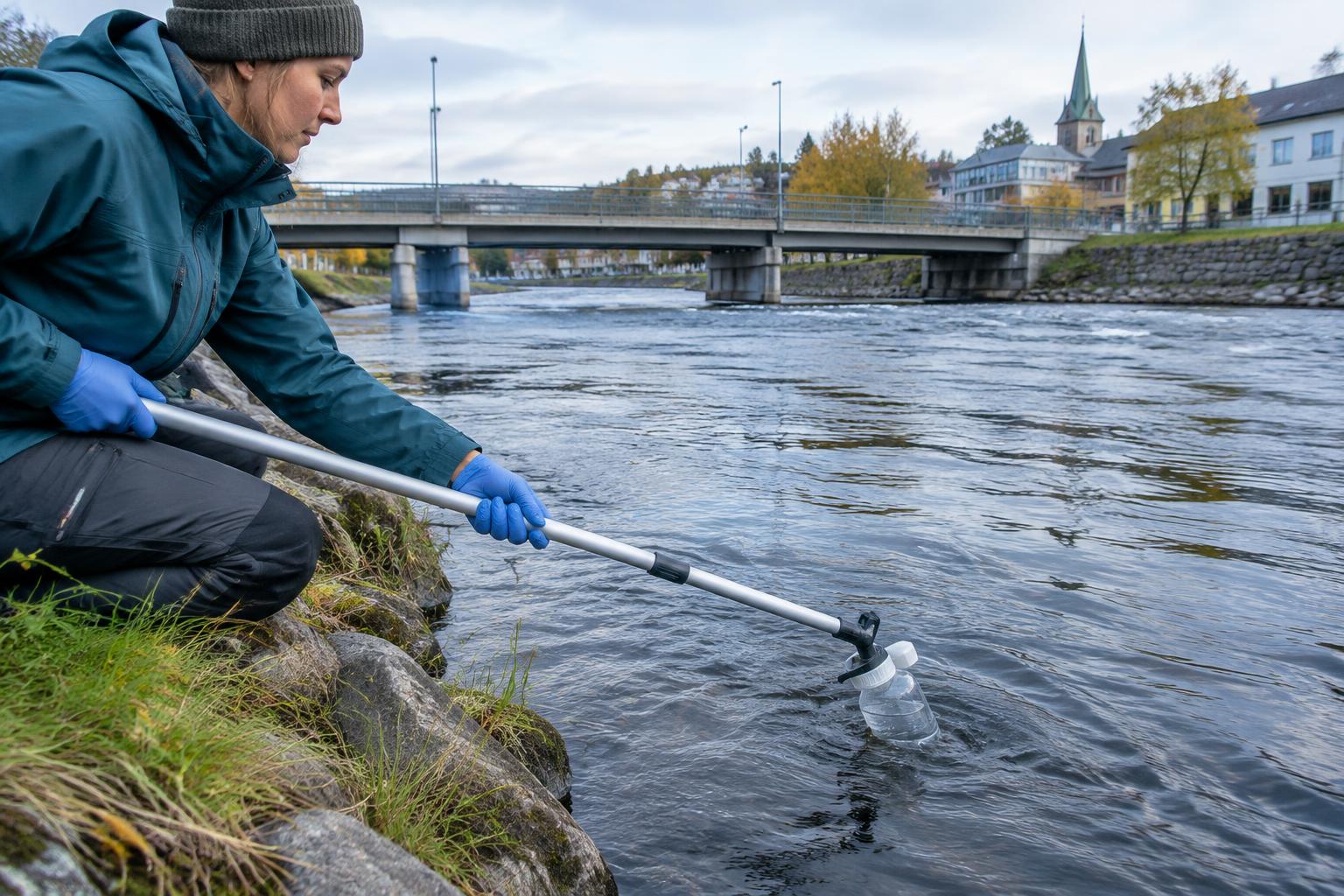
Environmental Monitoring
Compare monitoring locations, follow changes over time and support environmental assessments.
Explore application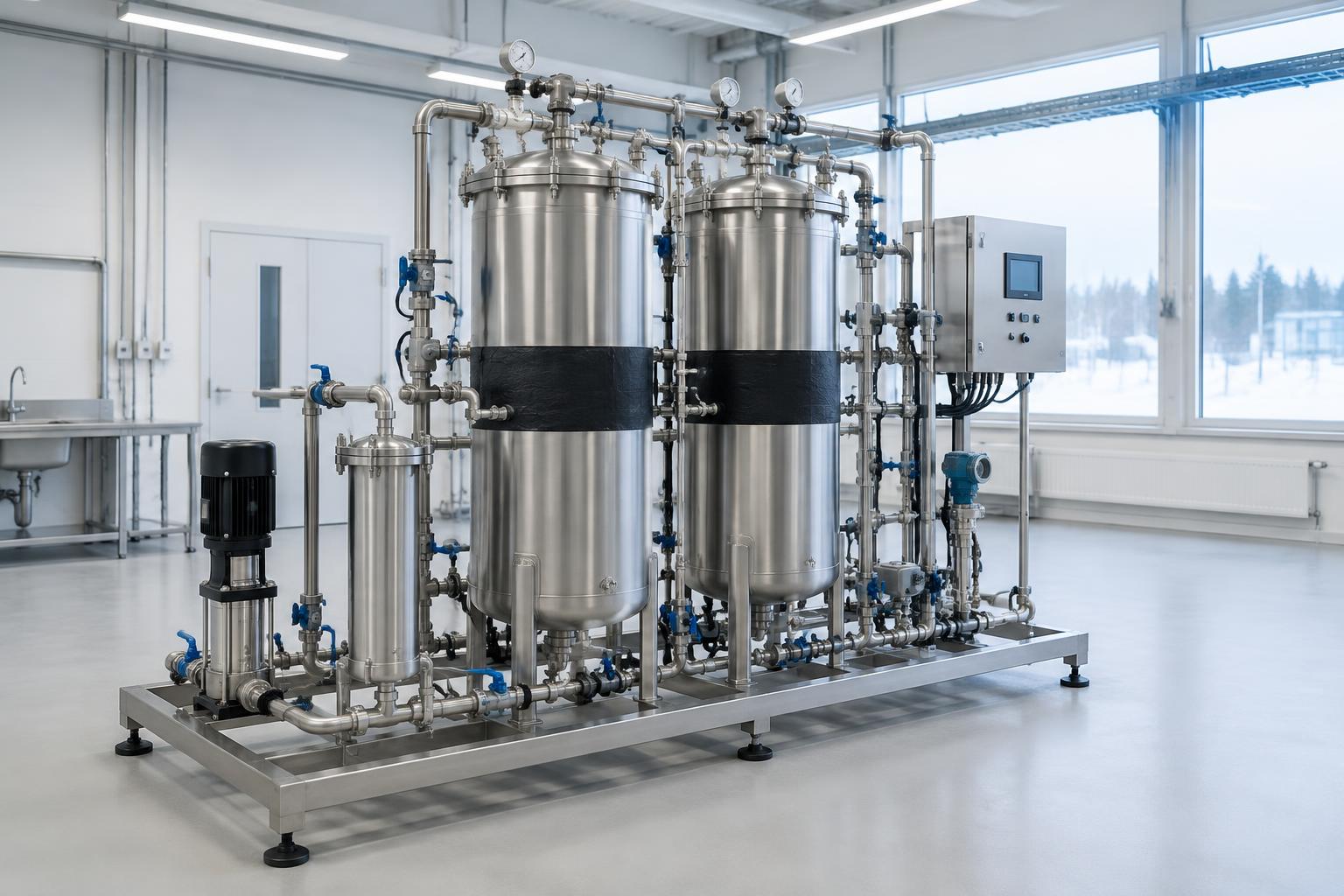
Treatment Technologies
Compare treatment technologies and evaluate biological performance during pilot studies.
Explore applicationThe future of water analysis
Europe is moving towards a broader assessment of chemical pollution. New EU legislation formally introduces effect-based monitoring of estrogenic activity in surface waters, while revised wastewater legislation increases the need to evaluate micropollutant removal and treatment performance.
Directive (EU) 2026/805 entered into force in May 2026. It provides for a two-year period of comparative effect-based monitoring of estrogenic substances in selected surface waters from January 2030, alongside conventional chemical analysis.
Read about the new requirements
The revised Urban Wastewater Treatment Directive (EU) 2024/3019 introduces progressively stronger requirements for micropollutant removal. Effect-based methods can complement chemical analysis when evaluating advanced treatment technologies and their ability to reduce biological activity.
Read the wastewater directive
Effect-based methods provide complementary information on biologically active contaminants and chemical mixtures, supporting investigations of drinking water quality, treatment processes and emerging concerns. Effect-based methods can support the risk-based approach to water quality management established by the EU Drinking Water Directive.
Talk to our scientists about how effect-based methods can strengthen your monitoring and treatment evaluation programmes.
Discuss your monitoring needs →
Our unique advantage
BioCell Analytica combines extensive analytical experience with specialist toxicological expertise to provide meaningful interpretation of water quality data.
Relevant historical measurements and scientifically derived effect-based trigger values help put analytical results into context and support better-informed decisions.
More than 6,000 effect-based measurements across water and environmental samples.
Relevant historical data and effect-based trigger values help explain the significance of measured biological activity.
Identify unusual results, investigate water quality concerns and evaluate changes in treatment performance.
Customer stories
Alingsås Municipality
Treatment technology evaluation at Nolhaga.
Read the story“The evaluation with effect-based methods was the most interesting part of the whole project!”

Sweco
New insights into wastewater treatment and biological effects.
Read the story“We were able to draw conclusions that were previously not possible.”

Drinking Water Research
A broader perspective on drinking water quality.
Read the story“All drinking water producers should analyze their water with effect-based analysis at least once a quarter.”
Whether you're investigating water quality, evaluating treatment technologies or planning a monitoring programme, our scientists can help you select suitable analyses and interpret the results.